Cold Weather Shooting – THE PAIN OF IT ALL!!
Shooting in cold weather doesn’t just take a toll on your body, it can be even tougher on your camera gear. A camera that performs flawlessly in normal conditions might suddenly stop working in freezing temperatures. Even your trusty tripod can go from being your best friend to a real pain (literally) once the cold sets in.
And if you’ve ever tried adjusting camera settings with numb fingers, you know just how frustrating it can be.
To help you avoid the struggle and actually enjoy your time outdoors, here are some practical tips for cold weather photography.

What should you do to make cold weather shooting enjoyable?
One of the best things you can do for cold-weather photography is plan ahead. Before you even leave home, set up your camera for the type of shooting you’ll be doing. Adjust the ISO, white balance, and program mode, along with any other settings you know you’ll need.
I learned this the hard way one winter night. It was -30°C around 12:30 a.m. when a couple of people I was with decided to start reprogramming their cameras. Within two minutes their fingers were frozen, and they gave up and headed home. The lesson? If you absolutely need to adjust settings, do it inside a warm, sheltered vehicle whenever possible.
The same goes for your gear. I like to extend my tripod legs while they’re still warm, then store it in the back of the vehicle ready to go. That way I’m not fumbling with frozen metal in the cold. I’ll also plug in any cables before heading out, since fine motor skills quickly disappear when your hands start to freeze.
Cold weather shooting tips on my Youtube channel
Modify Your Gear for the Cold
Cold weather photography isn’t just about protecting yourself, it’s also about preparing your equipment. One simple trick I learned years ago was wrapping insulation around my tripod legs. Even with gloves, bare metal gets painfully cold, but with insulation it’s much more comfortable to carry. Another handy tip is attaching a small flashlight to your tripod. That way it doesn’t disappear into the snow, and you won’t be fumbling through pockets when you need light. Anything you can do to make your setup easier and warmer is worth the effort.
Keep Your Batteries Warm
Cold drains batteries fast, so always start with a full charge and bring extras. I run dual batteries in my cameras, and even then they still cool off quickly. Keep spares in a warm spot, inside your jacket or even in the vehicle if you’re nearby. When one runs low, swap it out with a warm one to keep shooting without interruption.
Acclimatize Your Camera
Going from +25°C and humid to -25°C and dry can wreak havoc on your gear. Lenses and viewfinders can fog or even freeze, so give your camera time to adjust to the cold before you start shooting. The same goes for bringing equipment back indoors. I like to seal my camera and lenses in a plastic Ziploc bag (or a tightly closed camera bag) before coming inside. This way, condensation collects on the bag instead of your gear. If possible, let your equipment warm up slowly. In fact, I’d rather leave my camera out in the cold than risk repeated cycles of warming and cooling in a short period.
Protect Your Hands and Camera
A lens cover or camera cover is a great investment. It won’t keep your hands toasty, but it does block the wind and reduce wind chill. Plus, it doubles as protection against rain and blowing snow, keeping your camera safer in harsh conditions.
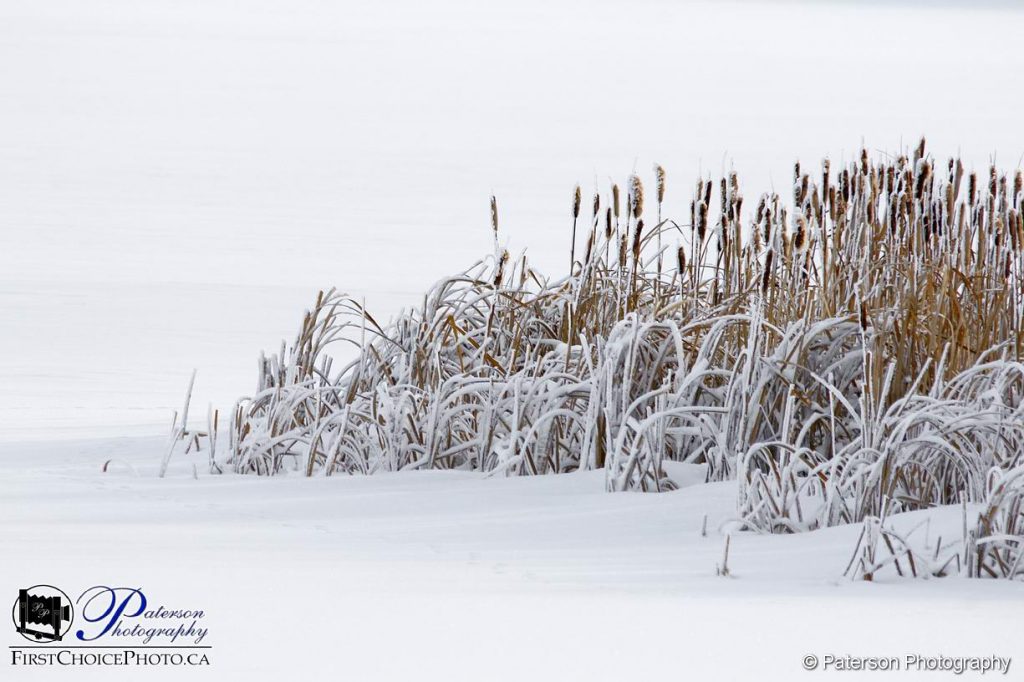
Again a little preparation can go a long way to make shooting in the cold enjoyable and safe.
WHO AM I?
Paterson Photography Ltd. is the only custom photo printer in Lethbridge and area.
We offer prints from wallets to 24″x100″ on a variety of media. No cheap, poor color poster prints – all our printing is done on archival media at the highest resolutions. We print for many individuals, companies and groups that want quality prints that look amazing.
One hour photo lab, photo printing, digital printing, framing, wedding pictures printed, Christmas pictures printed.